

Journal
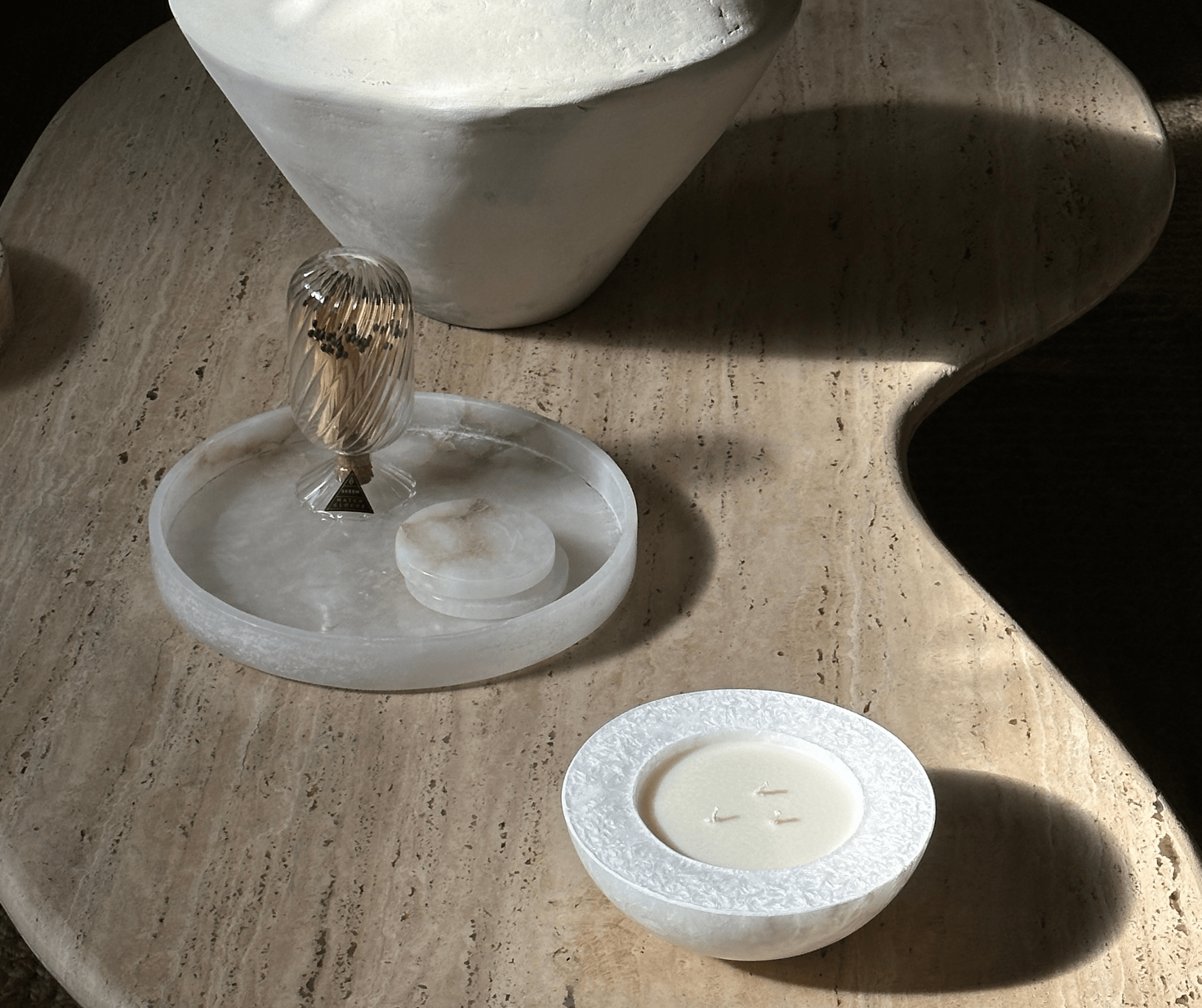

Exploring the durability of travertine tables
Travertine, a form of limestone deposited by mineral springs, is a time-honored choice for crafting tables that stand the test of time and offer a natural beauty. The durability of travertine countertops like travertine tables, whether a side, dining, or travertine coffee table is a testament to the innate strength and resilience of this natural stones, making it a beloved option for both interior and exterior spaces. At the heart of travertine's durability lies its geological formation. Created over thousands of years through the deposition of minerals in underground aquifers, travertine is a sedimentary rock with a robust structure. This formation process results in a stone that is not only visually stunning but also inherently sturdy, capable of withstanding the rigors of daily use. In this article, I'll be talking about how durable is travertine table top in a detailed way. Let's jump right into it. BENEATH THE DURABILITY OF A TRAVERTINE TABLE Tuscani Travertine Coffee Table and Tuscani Travertine Side Table The enduring allure of travertine tables lies in their exceptional durability, a testament to the geological journey that births this remarkable natural travertine stone Crafted over millennia through mineral deposition, travertine possesses a robust structure that grants it the strength to withstand the rigors of daily use. Its innate resistance to scratches, heat, and moisture adds to its longevity, making it a preferred choice for both interior and exterior settings. Beyond its physical resilience, travertine's timeless aesthetic, characterized by unique veining and natural variations, ensures that signs of wear become part of its evolving charm. Regular care and maintenance further enhance its durability, allowing these tables to stand as enduring symbols of both strength and elegance in the realm of home decor. Just like any other countertop materials like marble stone, a travertine table also needs special care If you want it to be extremely durable. 5 REASONS WHY THE DURABILITY OF TRAVERTINE IS IMPACTFUL LASTING BEAUTY: The durability of a travertine table ensures that its aesthetic appeal endures over time. The stone's resistance to scratches, dents, and wear means that the table maintains its smooth and polished appearance, contributing to a lasting visual charm. This enduring beauty makes the travertine trend popularized, as it adds a timeless addition to any interior or exterior space. VERSATILE PERFORMANCE: The robust nature of the travertine stones makes them versatile in their performance. Resistant to heat, moisture, and stains, these tables can effortlessly withstand the demands of daily use. Whether in a kitchen, dining room, or outdoor patio, the durability of travertine ensures its suitability for a wide range of settings, providing functional and enduring furniture. LONG-TERM INVESTMENT: Choosing a travertine table is an investment in longevity just like we do for travertine tiles for floors. The stone's durability translates into a table that can withstand the test of time, offering a durable and reliable piece of furniture that doesn't compromise on style. This long-term perspective makes travertine tables a valuable addition to homes, promising enduring quality and functionality. This is why travertine coffee tables, travertine dining tables, or any similar travertine countertop in addition to flooring, is well sought-after. RESISTANCE TO ENVIRONMENTAL ELEMENTS: The durability of travertine extends to its resistance to environmental elements. Whether exposed to sunlight, rain, or fluctuating temperatures, travertine tables maintain their structural integrity. This resistance to external factors ensures that the table retains its original allure, making it an excellent choice for both indoor and outdoor settings. LOW MAINTENANCE: There might be a few cons of travertine countertops like a travertine tables but maintenance isn't one of them The impact of travertine table durability is further amplified by its low maintenance requirements. The stone's natural resistance to stains and its ease of cleaning contribute to a hassle-free ownership experience. With minimal upkeep, such tables continue to showcase their durability, providing homeowners with a functional and aesthetically pleasing piece of furniture that stands resilient against the tests of time. Frequently Asked Questions What is Travertine Furniture? Travertine furniture refers to pieces crafted from travertine, a natural, durable stone formed in mineral springs. Due to the durability and beauty of the stone's surface, it is commonly used for tables, chairs, and decorative items, prized for its unique veining patterns and elegant appearance. How Do I Clean Travertine Furniture? Clean travertine furniture with a soft, dry cloth for daily cleaning. For stains, use a mild soap and water solution or a pH-neutral stone cleaner. Avoid acidic or abrasive cleaners, as they can damage the stone. Can I Use Vinegar to Clean Travertine Furniture? No, avoid using vinegar on travertine furniture. The acidity of vinegar can etch the stone, leading to dull spots and potential damage. Stick to pH-neutral cleaners designed for natural stone. Is Travertine Furniture Durable? Travertine is a durable material, but it requires proper care. It's resistant to heat, making it suitable for furniture, but it can be scratched by abrasive materials. Regular maintenance and preventive measures contribute to its longevity. Can I Place Hot Items on Travertine Furniture? While travertine is heat-resistant, it's advisable to use trivets or heat-resistant pads under hot items. This precaution protects the furniture from potential heat damage and preserves its appearance. How Often Should I Clean and Seal Travertine Furniture? Clean travertine furniture regularly, especially after spills or stains. The frequency of sealing depends on usage and exposure. As a general guideline, reapply the sealer every one to three years, or as recommended by the manufacturer. Can Travertine Furniture Be Used Outdoors? Travertine furniture can be used outdoors, but it requires specific care. Ensure the furniture is designed for outdoor use and clean it regularly to prevent weather-related damage. Use outdoor-specific sealers for added protection. Can I Repair Scratches on Travertine Furniture? Minor scratches on travertine furniture may be repairable. Consider consulting with a professional stone restoration specialist for guidance. Prevention, such as using coasters and placemats, helps minimize the risk of scratches and etch marks. Can Your Travertine Furniture be placed in direct sunlight? While travertine is known for its durability and heat resistance, placing a travertine table in direct sunlight for extended periods may lead to potential effects such as color fading. The enduring durability of travertine tables encapsulates not just a functional piece of furniture but a timeless investment in elegance and longevity. From resisting scratches and stains to withstanding environmental elements, these tables epitomize strength and endurance. Their robust nature, coupled with a striking aesthetic appeal, ensures that they gracefully weather the tests of time, becoming cherished fixtures in both indoor and outdoor spaces. The enduring beauty and versatility of travertine tables make them not merely furniture but enduring statements of sophistication, promising to stand resilient and stylish through the generations. Embracing a travertine table is an embrace of enduring quality, where each passing year only adds to the allure of this exceptional natural stone. Discover the beauty of travertine with our exceptional Tuscani Travertine Collection, fusing the inherent durability and luxe allure of travertine stone.
Learn more
Mastering the art of travertine table cleaning
Travertine boasts a natural beauty, sculpted from the unique variations that set it apart from other natural stones. Maintaining the cleanliness of your travertine furniture is paramount for both its timeless beauty and long-term durability. This elegant natural stone is renowned for its captivating patterns and sophisticated appearance, and regular cleaning plays a pivotal role in preserving these intrinsic qualities. Routine dusting with a soft cloth or gentle brush not only enhances the visual appeal by removing surface dirt but also protects against scratches, maintaining the pristine charm of your travertine pieces. Let's talk about how to clean travertine table and what is its importance in this article. WHY IT IS IMPORTANT TO MAINTAIN YOUR TRAVERTINE SURFACES Keeping your travertine furniture impeccably clean is crucial for preserving its inherent beauty and ensuring longevity. Regular cleaning routines, including gentle dusting and wiping with mild solutions, serve as a shield against stains and scratches that can compromise the elegance of this natural stone. The porous nature of travertine stone requires proactive care, with cleanliness not just contributing to aesthetics but acting as a preventive measure against potential damage. By embracing a consistent cleaning regimen, you not only maintain the pristine appeal of your travertine furniture but also create an environment that radiates sophistication and enduring charm. It's a holistic approach that safeguards both the visual allure and structural integrity of these timeless pieces, allowing you to revel in the grace of your travertine furniture for years to come. If you have a polished travertine surface, the chances of getting stains in pretty low as they aren't prone to that and you don't even need to have a steam cleaner in that case. 7 EFFECTIVE WAYS TO KEEP YOUR TRAVERTINE CLEAN ROUTINE DUSTING Start with daily dusting using a soft, dry microfiber cloth or a feather duster. This helps remove loose dirt and prevents scratches. Focus on the surface and edges of the table, paying attention to any intricate details. A COMBINATION OF MILD SOAP AND WARM WATER Create a gentle cleaning solution by mixing a few drops of mild dish soap with warm water. Dampen a soft cloth or sponge in the solution, wring it out well, and wipe down the entire surface of the travertine countertops/ table. This method is effective for general cleaning and removing light stains. USE A PH-NEUTRAL STONE CLEANER Invest in a pH-neutral stone cleaner designed for natural stone surfaces, including travertine floors. Follow the manufacturer's instructions for application. These cleaners are specifically formulated to clean without causing damage to the stone. Whether you are using a travertine table in your kitchen, stone fireplace surrounds, or any other place, you can follow this tip to make it look cleaner than ever before. AVOID ANY ACIDIC CLEANERS Avoid using acidic cleaners like vinegar or lemon juice, as they can damage the surface of the travertine. Acidic substances can lead to etching, dulling the polished finish. Stick to pH-neutral or stone-specific cleaners for safe and effective cleaning. CREATE A POULTICE FOR OPTIMAL STAIN REMOVAL For stubborn stains, especially those from colored liquids, create a poultice using baking soda and water. Apply the poultice to the stained area, cover it with plastic wrap, and let it sit for 24 to 48 hours. This method helps draw out the stain from the pores of the travertine. SEAL YOUR TABLES FOR PROTECTION Consider applying a penetrating sealer to enhance the stain resistance of your travertine table. Follow the manufacturer's guidelines for application. Sealing creates a protective barrier, preventing liquids from penetrating the stone and causing stains. PARTAKE IN PREVENTIVE MEASURES Take preventive measures to avoid scratches and heat damage. Use coasters or placemats under glasses to prevent scratches, and use trivets or heat-resistant pads under hot items to protect the table from heat damage. These simple precautions contribute to the long-term preservation of your travertine table. Frequently Asked Questions What is Travertine Furniture? Travertine furniture encompasses items crafted from the natural stone known as travertine, formed in mineral springs. Widely utilized for tables, chairs, and decorative pieces, it is highly valued for its distinctive veining patterns and elegant aesthetic. How Do I Clean Travertine Furniture? Maintain the cleanliness of travertine furniture by gently wiping it with a soft, dry cloth on a daily basis. In the case of stains, employ a mild solution of soap and water or a pH-neutral stone cleaner. Steer clear of acidic or abrasive cleaners to prevent potential damage to the stone. Can I Use Vinegar to Clean Travertine Furniture? Refrain from using vinegar on travertine furniture. The acidic properties of vinegar may cause etching on the stone, resulting in dull spots and potential damage. Opt instead for pH-neutral cleaners specifically formulated for natural stone to ensure the preservation of your travertine furniture's integrity and appearance. Is Travertine Furniture Durable? Travertine, while durable, demands attentive care. Resistant to heat and thus suitable for furniture, it remains susceptible to scratching from abrasive materials. Sustaining its longevity involves consistent maintenance and the implementation of preventive measures. Can I Place Hot Items on Travertine Furniture? Despite its heat resistance, it is recommended to place trivets or heat-resistant pads under hot items on travertine. This precautionary measure safeguards the furniture from potential heat damage and helps maintain its appearance. How Often Should I Clean and Seal Travertine Furniture? Regularly clean travertine furniture, particularly after spills or stains. The sealing frequency depends on usage and exposure. As a general recommendation, reapply the sealer every one to three years or as advised by the manufacturer. Can Travertine Furniture Be Used Outdoors? Travertine furniture can indeed be used outdoors, but it necessitates specific care. Ensure that the furniture is explicitly designed for outdoor use and conduct regular cleaning to prevent weather-related damage. For added protection, use outdoor-specific sealers. Can I Repair Scratches on Travertine Furniture? Minor scratches on travertine furniture might be repairable. It's advisable to seek guidance from a professional stone restoration specialist for effective solutions. Additionally, incorporating preventive measures, such as using coasters and placemats, helps minimize the risk of scratches and etch marks. Can Your Travertine Furniture be placed in direct sunlight? While travertine boasts durability and heat resistance, placing a travertine table in direct sunlight for extended periods may result in potential effects such as color fading. In the meticulous choreography of caring for your travertine tables, the significance of a dedicated cleaning routine unfolds as a narrative of preservation and appreciation. Each wipe, each gentle touch, becomes a gesture towards sustaining the natural elegance of the stone, safeguarding it from the subtle but persistent forces of time. As you conclude the cleaning process, a renewed vibrancy emanates from the polished surface, telling a story of enduring beauty. Your travertine tables, now pristine and refreshed, stand as testaments to the commitment to their upkeep, promising to be both functional pieces and timeless works of art that enrich your living space. Discover the beauty of travertine with our exceptional Tuscani Travertine Collection, fusing the inherent durability and luxe allure of travertine stone.
Learn more
The artful craft of cleaning your marble tray
The marble tray, embodying timeless allure and exquisite aesthetics, stands as a captivating centerpiece in any setting and is quite different than marble floors. Preserving the splendor of this cherished piece demands a meticulous approach to cleaning. Within this all-encompassing guide, we embark on a journey to unravel the art of maintaining your natural stone. Discover techniques that not only safeguard its pristine appearance but also contribute to its enduring longevity. In this post, I'll be sharing how to clean marble tray with actionable and easy steps. Let's get started. ASSURING THE CLEANLINESS OF YOUR MARBLE TRAYS The natural beauty of marble lies in its unique veining and polished surface, which can be marred by the accumulation of dust, organic stains, or grime. Regular cleaning not only preserves the visual allure of the tray but also guards against potential damage caused by abrasive particles. Marble's porous nature makes it susceptible to staining from liquids, and meticulous cleaning prevents these substances from compromising its surface. More so, a clean marble tray contributes to a hygienic environment, crucial in settings where food is served or personal items are displayed. By prioritizing the cleanliness of your marble tray, you not only showcase its intrinsic elegance but also safeguard its longevity, ensuring it remains a cherished and functional element in your living space. 5 STEPS FOR NURTURING YOUR MARBLE GENTLE DUSTING Begin by removing any loose dust or debris from the marble surfaces of your tray. Use a soft, lint-free and damp cloth or a delicate feather duster for this task. Gently sweep the cloth across the surface, paying attention to intricate details and edges. This initial step prevents potential scratches that could occur when cleaning larger particles. MILD SOAP SOLUTION Prepare a solution of mild dish soap and warm water. Dip a soft cloth into the soapy mixture and wring it out to ensure it is only damp, not soaking wet. Wipe down the entire surface of the marble tray, gently removing fingerprints, smudges, and light spill of a few drops. Avoid using excessive water, as marble is porous and can absorb liquids. STAIN SPOT TREATMENT For stubborn stains or spots, create a paste with baking soda and water. Apply the paste to the affected area and gently scrub with a soft cloth. Baking soda's mild abrasiveness helps lift stains without causing damage to the marble. Ensure you test this method in a small, inconspicuous area first to confirm compatibility with your specific marble. POLISHING FOR SHINE To enhance the natural luster of your marble tray, utilize a soft, dry cloth for polishing. Buff the surface in circular motions to remove any remaining residue and unveil the inherent brilliance of the marble. For an extra layer of sheen, consider using a non-abrasive commercial marble polish. Follow the manufacturer's instructions for application and enjoy the renewed radiance of your marble countertops. PROTECTIVE MEASURES Implement preventive measures to safeguard your marble tray against potential damage. Always use coasters or placemats under glasses to prevent etching from acidic beverages. Place trivets or heat-resistant pads under hot items to shield the marble from heat damage. By incorporating these protective habits into your daily use, you contribute to the long-term preservation of your marble tray's pristine condition. Frequently Asked Questions How do I clean and maintain my marble decor? To clean and maintain marble decor, use a mild dish soap and warm water solution for regular cleaning. Avoid acidic cleaners and opt for natural stone cleaners. Polish the surface with a soft cloth and consider periodic applications of marble polish. For stubborn stains, use baking soda paste or diluted hydrogen peroxide. Is sealing necessary for marble decor? Yes, sealing is advisable for marble decor. Marble is porous and can absorb liquids, leading to stains. Regularly applying a high-quality marble sealer creates a protective barrier, reducing the risk of stains from common household substances such as wine, coffee, orange juice, and enhancing the longevity of the decor's shine. How can I remove stains from my marble decor? For stain removal, create a paste with baking soda and water for mild stains, or use a diluted hydrogen peroxide solution for persistent ones. Apply the paste, let it sit, and gently scrub. Commercial stain removers designed for marble can also be considered. Avoid any harsh cleaning products Can I use natural cleaners on my marble decor? Yes, natural cleaners like a mild dish soap and warm water solution are suitable for regular cleaning. Additionally, natural stone cleaners specifically formulated for marble are recommended. Avoid acidic natural cleaners, such as lemon or vinegar, to prevent damage to the marble surface. How often should I polish my marble decor? The frequency of polishing depends on factors like the type of marble, usage, and environmental conditions. Generally, polishing with a soft cloth can be done regularly for maintenance. Marble polishing powder or commercial marble polish can be used periodically for a deeper shine. What should I do if my marble decor has scratches or dull spots? For scratches or dull spots, consider using marble polishing powder or enlist professional polishing services. Professionals can assess and address deeper issues, restoring the original shine of your marble decor. Regular professional inspections can help catch issues early. A marble tray stands as a symbol of refined luxury, and its beauty is best preserved through a thoughtful cleaning regimen. From daily dusting to stain removal, polishing, and protective measures, each step in this guide contributes to the overall care and maintenance of your marble tray. By understanding the characteristics of marble and tailoring your cleaning routine accordingly, you embark on a journey to not only cleanse but also celebrate the enduring brilliance of this prized natural stone. With each gentle stroke and careful application, you honor the craftsmanship of your marble tray, ensuring it remains a radiant focal point in your living space for years to come. Delve into the beauty of our Organic Stone Marble Tray, featuring distinctive veining and a one-of-a-kind allure - the perfect adornment to any coffee table or as a serving tray for special occasions.
Learn more
How to Make Your Marble Shine
In the realm of interior design, few materials exude timeless elegance and opulence quite like marble. However, the beauty of natural marble goes beyond its inherent grandeur; it lies in its ability to capture and reflect light, creating a luminous ambiance. To truly appreciate the luxurious potential of marble surfaces, one must embark on the art of enhancing their shine. In this guide, how do you make marble table shine again with practical tips that not only restore the brilliance of this natural stone but also preserve its pristine allure. Whether you are a seasoned marble enthusiast or a newcomer to the realm of elegant interiors, these insights will guide you through the journey of transforming your marble surfaces into radiant focal points that stand the test of time. MAKING YOUR MARBLE RADIATE Whether it be a marble floor or marble furnishings, creating an illustrious shine on marble surfaces involves a meticulous and multifaceted approach, blending gentle cleaning practices with targeted deep-cleaning techniques and thoughtful polishing routines. Initiate the process with a mild dish soap and warm water solution, ensuring a pristine foundation. Embrace the importance of regular dusting to prevent the accumulation of debris that could compromise the marble's brilliance. For intensive restoration, delicate approaches like baking soda paste and diluted hydrogen peroxide offer effective stain removal, while commercial marble polishes and polishing powders elevate the shine to new heights. The art of polishing marble with soft clothes and professional services ensures a consistent and dazzling finish. Regular sealing acts as a protective shield, fortifying the marble against potential damage and sustaining its radiant allure. 6 TECHNIQUES TO MAKE YOUR MARBLE SHINE GENTLE CLEANING ROUTINE: Embark on your journey to enhance the shine of clean marble countertops in a gentle routine way. Use a mild dish soap and warm water solution to wipe down the surfaces regularly. This simple yet effective method helps to remove dust, dirt, and minor residues without compromising the integrity of the marble. POLISHING WITH A SOFT CLOTH: Employ the timeless technique of polishing with a soft and damp cloth to reveal the natural brilliance of your marble countertops. A lint-free cloth, damp rag, or chamois is ideal for this purpose. Gently buff the surfaces in circular motions to remove fingerprints and restore a consistent, luminous finish. TARGETED STAIN REMOVAL TECHNIQUES: For stubborn stains, deploy targeted stain removal techniques. Create a paste using baking soda and water to gently rub away stains. Alternatively, use a diluted hydrogen peroxide solution for more persistent blemishes. These methods ensure that your marble countertop maintains its pristine appearance. COMMERCIAL MARBLE POLISH: Elevate the shine of your marble decor with the application of a commercial polished marble. These specially formulated polishes provide a non-abrasive solution to enhance the polished finish of your decor. Follow the product instructions by marble supplier for an even application, contributing to the long-term maintenance of its shine. MARBLE POLISHING POWDER: Introduce marble polishing powder into your repertoire for restoring a honed marble or polished finish. This technique is particularly effective for revitalizing the surface of your marble decor, adding an extra layer of polish. Adhere to the instructions on the packaging to achieve optimal results. PROFESSIONAL POLISHING SERVICES: When seeking an unparalleled shine and addressing deeper issues such as scratches or extensive dullness, enlist the expertise of professional polishing services. Professionals possess advanced techniques and equipment to restore the original brilliance of your marble decor. Periodic professional inspections ensure sustained luminosity over time. FREQUENTLY ASKED QUESTIONS HOW DO I CLEAN AND MAINTAIN MY MARBLE DECOR? To clean and maintain marble decor, use a mild dish soap and warm water solution for regular cleaning. Avoid acidic cleaners and opt for natural stone cleaners. Polish the surface with a soft cloth and consider periodic applications of marble polish. For stubborn stains, use baking soda paste or diluted hydrogen peroxide. IS SEALING NECESSARY FOR MARBLE DECOR? Yes, sealing is advisable for marble decor. Marble is porous and can absorb liquids, leading to stains. Regularly applying a high-quality marble sealer creates a protective barrier, reducing the risk of stains and enhancing the longevity of the decor's shine. HOW CAN I REMOVE STAINS FROM MY MARBLE DECOR? For stain removal, create a paste with baking soda and water for mild stains, or use a diluted hydrogen peroxide solution for persistent ones. Apply the paste, let it sit, and gently scrub. Commercial stain removers designed for marble can also be considered. CAN I USE NATURAL CLEANERS ON MY MARBLE DECOR? Yes, natural cleaners like mild dish soap and warm water solutions are suitable for regular cleaning. Additionally, natural stone cleaners specifically formulated for marble are recommended. Avoid acidic natural cleaners, such as lemon juice or vinegar, to prevent damage to the marble surface. HOW OFTEN SHOULD I POLISH MARBLE DECOR? The frequency of polishing depends on factors like the type of marble, usage, and environmental conditions. Generally, polishing with a soft cloth can be done regularly for maintenance. Marble polishing powder or commercial marble polish can be used periodically for a deeper shine. WHAT SHOULD I DO IF MY MARBLE DECOR HAS SCRATCHES OR DULL SPOTS? For scratches or dull spots, consider using marble polishing powder or enlist professional polishing services. Professionals can assess and address deeper issues, restoring the original shine of your marble decor. Regular professional inspections can help catch issues early. Unlocking the radiant allure of shiny marble involves a thoughtful blend of gentle care, targeted restoration, and protective measures. By adopting the techniques outlined in this guide, you embark on a journey to not only make your marble shine but also to preserve its timeless beauty. From the simplicity of a soft cloth polish to the precision of stain removal methods, each step contributes to revealing the inherent brilliance of this exquisite natural stone. Regular maintenance, periodic deep cleaning, and strategic polishing ensure that your marble surfaces remain a luminous centerpiece in your space, standing as a testament to the enduring elegance of this coveted material. With these insights, you possess the knowledge to elevate and sustain the shine of your marble, creating an environment that exudes sophistication and timeless charm. Delve into the beauty of marble with our statement furniture selections featuring coffee, side, and dining tables, or in subtle ways with our and Organic Stone Marble Cutting Board.
Learn more
Steps to care for your marble tray
Marble trays are exquisite additions to any home, providing a touch of timeless elegance that effortlessly elevates the aesthetic of a space. However, to preserve the pristine beauty of these luxurious pieces, a thoughtful and consistent care routine is essential. If you want to know how do i care for my marble tray, then this post is surely going to help you out. From gentle cleaning practices to protective measures, each step is a meticulous dance between maintaining its inherent radiance and safeguarding against potential wear. Join us on this journey as we unravel the secrets to clean marble surfaces effortlessly and keeping them shining. WHY YOU SHOULD PROPERLY CARE FOR YOUR MARBLE TRAY Caring for your marble tray is imperative to safeguard its timeless beauty and ensure its enduring value. Beyond the aesthetic appeal, proper maintenance prevents staining, etching, and physical damage, contributing to the tray's longevity. By implementing routine cleaning, polishing, and protective measures, you actively preserve the smooth, polished surface that characterizes marble. This commitment to care not only enhances the tray's visual allure but also sustains its market value, making it a worthwhile investment. Moreover, a well-maintained marble tray cultivates a refined home environment, reflecting your dedication to the details that contribute to an elegant and sophisticated living space. Ultimately, taking the time to care for your marble tray is a gesture of appreciation for its craftsmanship and an investment in its lasting beauty. 6 ESSENTIALS WAYS TO CARE FOR YOUR MARBLE TRAY DAILY DUSTING Regular dusting is a fundamental step in caring for your marble tray or even marble furniture in general. Use a soft, lint-free cloth or a gentle feather duster to remove dust and debris, preventing scratches and maintaining the tray's smooth surface. This simple practice helps preserve the natural shine of the marble. GENTLE CLEANING ROUTINE Implement a gentle cleaning routine to address spills and prevent stains. To clean your marble countertops, use a mild dish soap and warm water solution with a soft microfiber cloth and not with a paper towel. Avoid abrasive or acidic cleaners, as they can damage the marble. Wipe the tray gently, paying special attention to any spills or organic stains, and ensure thorough drying to prevent water spots. STAIN REMOVAL TECHNIQUES Swift action is essential when dealing with stains on your marble tray. Create a paste with baking soda and water for mild stains, applying it to the affected area and gently scrubbing with a soft cotton cloth. For stubborn stains, a diluted solution of hydrogen peroxide or a store-bought marble cleaner can be effective. Always test stain removal methods in a small, inconspicuous area first. POLISHING FOR BRILLIANCE Regular polishing helps maintain the radiant finish of your marble tray. Use a soft, dry cloth to gently buff the surface in circular motions, removing fingerprints and smudges. Consider the use of a non-abrasive commercial marble polish for an extra layer of sheen. Follow the manufacturer's instructions for optimal application. PROTECTIVE MEASURES Implement protective measures to prevent damage. Always use coasters or placemats under glasses to avoid etching from acidic beverages. Place trivets under hot items to protect the tray from heat damage, and avoid placing heavy or sharp objects directly on the surface to prevent scratches and chips. REGULAR SEALING Marble is porous and can absorb liquids, leading to stains. Regular sealing acts as a protective barrier, minimizing the risk of stains and enhancing the longevity of your marble tray. Choose a high-quality marble sealer suitable for your specific marble type and follow the recommended application frequency. Frequently Asked Questions How do I clean and maintain my marble decor? To clean and maintain marble decor, use a mild dish soap and warm water solution for regular cleaning. Avoid acidic cleaners and opt for natural stone cleaners. Polish the surface with a soft cloth and consider periodic applications of marble polish. For stubborn stains, use baking soda paste or diluted hydrogen peroxide. Wipe your marble decor routinely with a damp cloth to assure the cleanliness. Is sealing necessary for marble decor? Yes, sealing is advisable for marble decor. Marble is porous and can absorb liquids, leading to stains. Regularly applying a high-quality marble sealer creates a protective barrier, reducing the risk of stains and enhancing the longevity of the decor's shine. How can I remove stains from my marble decor? For stain removal, create a paste with baking soda and water for mild stains, or use a diluted hydrogen peroxide solution for persistent ones. Apply the paste, let it sit, and gently scrub. Commercial stain removers designed for marble can also be considered. Can I use natural cleaners on my marble decor? Yes, natural cleaners like a mild dish soap and warm water solution are suitable for regular cleaning. Additionally, natural stone cleaners specifically formulated for marble are recommended. Avoid acidic natural cleaners, such as lemon or vinegar, to prevent damage to the marble surface. How often should I polish my marble decor? The frequency of polishing depends on factors like the type of marble, usage, and environmental conditions. Generally, polishing with a soft cloth can be done regularly for maintenance. Marble polishing powder or commercial marble polish can be used periodically for a deeper shine. What should I do if my marble decor has scratches or dull spots? For scratches or dull spots, consider using marble polishing powder or enlist professional polishing services. Professionals can assess and address deeper issues, restoring the original shine of your marble decor. Regular professional inspections can help catch issues early. The Value In Caring For Your Marble In the meticulous care of your marble tray lies a commitment to preserving not just an exquisite piece of craftsmanship but a symbol of enduring elegance. The value inherent in this careful maintenance extends far beyond aesthetics, encompassing the longevity, market worth, and overall ambiance it contributes to your living space. As you embark on a routine of daily dusting, gentle cleaning, and protective measures, you not only safeguard the tray's smooth surface but also nurture its timeless allure. With each stroke of polishing and every preventive measure taken, you actively invest in the sustained brilliance of your marble tray. In essence, the value in caring for this luxurious centerpiece transcends the physical, becoming a testament to your appreciation for the finer details that elevate your home environment, creating a space that exudes sophistication and enduring beauty. Delve into the beauty of our Organic Stone Marble Tray, featuring distinctive veining and a one-of-a-kind allure.
Learn more
Maintaining Your Marble Cutting Boards
In the heart of every kitchen, the marble cutting board stands as a symbol of culinary elegance and functionality. To preserve its timeless beauty and ensure a hygienic culinary canvas, mastering the art of cleaning is paramount. In this comprehensive guide, we delve into the intricacies of how to clean your marble cutting board, offering insights, techniques, and best practices for maintaining its pristine condition. The Importance of Maintaining Your Marble Cutting Boards Cleaning your marble cutting board is not just a matter of aesthetics; it's a crucial step in preserving both its beauty and functionality. Different from a plastic or wooden cutting board, marble has a porous nature that is susceptible to stains and bacterial growth, making regular cleaning imperative for maintaining a hygienic kitchen environment. Additionally, the cool and smooth surface of the marble cutting board, ideal for precision tasks, can be compromised by residue buildup if not cleaned properly. Neglecting the cleaning process may lead to the development of odors, the dulling of its natural luster, and the risk of cross-contamination. By embracing a consistent and thoughtful cleaning routine, you not only safeguard the elegance of your marble cutting board but also ensure a safe and sanitary space for your culinary creations, ultimately extending the longevity of this culinary centerpiece. The Essential Tools For Cleaning Your Marble Cutting Boards Mild Liquid Dish Soap Opt for a pH-neutral, gentle dish soap to avoid any harsh reactions with the marble. Warm Water A lukewarm water bath forms the foundation of the cleaning process. Soft Sponge or Cloth Choose a non-abrasive sponge or cloth to prevent scratching the marble surface. Distilled White Vinegar An excellent natural cleaner, white vinegar helps eliminate stains and disinfect. It is best to dilute with water. Baking Soda This mild abrasive can assist in lifting stubborn stains without harming the marble. Food-Grade Mineral Oil or Marble Sealer A periodic application helps maintain the marble's natural luster and provides a protective barrier. The Step-by-Step Cleaning Process 1. Clear the Surface: Begin by removing any loose crumbs or food particles from the surface of the cutting board. It is best to clean your marble with a smooth surface, as to avoid causing any scratches. 2. Prepare a Gentle Soap Solution: In a basin or sink, create a solution of warm water and a few drops of mild dish soap. Avoid using excessive soap, as it can leave a residue. 3. Gently Clean the Surface: Dip the soft sponge or cloth into the soapy water and delicately clean the entire surface of the marble cutting board. Use circular motions to lift any grime or residue. 4. Address Stubborn Stains with Vinegar: For stubborn stains, create a mixture of equal parts white vinegar and water. Apply the solution to the stained area and gently scrub with a soft brush or sponge. Vinegar's acidic nature helps dissolve stains without harming the marble. 5. Tackle Residue with Baking Soda: If there are persistent stains or odors, create a paste using baking soda and water. Apply the paste to the affected areas, let it sit for a few minutes, and then scrub gently. 6. Rinse Thoroughly: Once the cleaning process is complete, rinse the cutting board thoroughly with warm water to remove any soap, vinegar, or baking soda residue. 7. Pat Dry with a Clean Cloth: Using a clean, dry cloth, pat the marble cutting board dry. Avoid air-drying, as this can lead to water spots. Avoid using any harsh chemicals or acidic substances on your marble cutting board, as it may cause permanent damage. Frequently Asked Questions Why choose a marble cutting board over other materials like wood or plastic? Marble cutting boards offer a unique blend of aesthetics and functionality. They provide a cool surface for precision tasks, are knife-friendly, and have a timeless elegance that enhances kitchen aesthetics. Unlike wood cutting boards or plastic cutting boards, marble is non-porous, making it more hygienic, and it adds a touch of sophistication not found in plastic alternatives. Do marble cutting boards require special care? Marble cutting boards benefit from specific care practices. Avoiding acidic substances, using mild cleansers, and drying promptly after cleaning helps maintain their beauty. Additionally, periodic resealing can protect the surface and enhance its longevity. Does using a marble cutting board dull knives? Marble is softer than some cutting board materials, which can be beneficial for knife longevity. While it may not dull knives as quickly as harder surfaces, it's still essential to regularly sharpen your knives to maintain optimal cutting performance. Can I use a marble cutting board for hot items or as a serving platter? Marble has natural temperature-retaining properties, making it suitable for tasks like rolling out pastry dough or tempering chocolate. However, sudden extreme temperature changes should be avoided. While marble cutting boards can be used for serving, ensure the surface is clean and free from any potential contaminants. Are there any foods that should be avoided on a marble cutting board? Marble is sensitive to acidic substances, so it's advisable to avoid cutting acidic foods like citrus fruits directly on the surface. Additionally, highly pigmented foods may stain the marble, so it's recommended to clean the board promptly after cutting such items. The Value In Caring For Your Cutting Boards The importance of cleaning your marble cutting board lies in the intersection of aesthetics, functionality, and hygiene. Regular cleaning not only safeguards the pristine beauty of the marble, preserving its unique veining and elegance but also ensures a safe and sanitary culinary workspace. The porous nature of marble makes it susceptible to stains and bacterial buildup, making cleanliness paramount for maintaining a hygienic kitchen environment. Beyond the practical benefits, the act of cleaning becomes a ritual that honors the craftsmanship of this culinary tool, contributing to its longevity and serving as a testament to the meticulous care applied in your kitchen. Ultimately, the cleanliness of your marble cutting board reflects a commitment to both culinary excellence and the overall well-being of your kitchen, creating a space where aesthetics and functionality seamlessly coexist. Looking for the perfect marble cutting board? Our Organic Stone Marble Cutting Board blends aesthetic and resilience all in one. Visit our website to learn more about this stunning kitchen accessory.
Learn more
How To Treat Your Marble Cutting Boards
The marble cutting board is a virtuoso, lending its timeless elegance to every culinary creation. To safeguard its beauty and elevate its functionality, the art of treating and nurturing your marble cutting board becomes an indispensable act of culinary devotion. In this guide, we embark on a journey to unravel the intricate steps and techniques that transform the care of your marble cutting board into a harmonious symphony—an ode to craftsmanship, a ritual of preservation, and an expression of love for this culinary cornerstone. Why It Is Important To Treat Your Cutting Boards Before engaging in the artful treatment, it's essential to appreciate the intrinsic qualities of marble. Its porous nature, cool surface, and distinctive veining patterns impart a unique charm that demands a nuanced and thoughtful approach to care. Recognizing the inherent elegance of marble sets the stage for a treatment that goes beyond routine maintenance. Treating your marble cutting board is a proactive measure that safeguards its beauty, functionality, and hygiene. By incorporating regular treatments into your kitchen care routine, you not only protect your investment in this culinary tool but also ensure it remains a timeless and reliable asset in your kitchen for years to come. The Essential Tools For Proper Treatment Utilize these tools for the best results in treating your marble cutting board. Food-Grade Mineral Oil: A nourishing elixir that revitalizes the marble's natural luster. Marble is a natural stone that can dry out over time, and mineral oil helps replenish its natural oils, preventing it from becoming excessively dry, prone to cracks, or losing its vibrant colors. Marble Sealer: A protective shield that guards against stains and wear. Marble sealers create a protective barrier that helps prevent stains, scratches, and other damage. Follow the manufacturer's instructions for application and drying. Soft Microfiber Cloth or Sponge: A gentle companion for applying treatments and wiping surfaces. Mild Dish Soap: For a pre-treatment cleanse to rid the board of any residue.Choose a dish soap that is made from natural ingredients and is pH-balanced. pH-neutral or slightly alkaline soaps are preferable, as highly acidic or alkaline solutions can harm the marble surface over time. Avoid dish soaps that contain abrasive substances, bleach, ammonia, or other harsh chemicals. Warm Water: The essential element that underlines the gentle cleansing ritual. Rapid temperature changes, such as washing a hot cutting board with cold water, can lead to thermal shock and potentially cause damage to the marble. Using warm water helps prevent sudden temperature fluctuations that could impact the integrity of the stone. 6 Ways To Treat Your Marble Cutting Boards Gentle Cleaning with Mild Liquid Dish Soap: Begin by giving your marble cutting board a thorough yet gentle cleaning. Use a mild dish soap and warm water to remove any surface debris, stains, or odors. Avoid harsh chemicals that could damage the marble. Nourishing Massage with Food Safe Mineral Oil: Treat your marble cutting board to a nourishing massage with food-grade mineral oil. Apply a generous amount of mineral oil to the entire surface using a soft cloth or sponge. The oil helps moisturize the marble, enhance its natural colors, and create a protective layer. Wipe Away Excess Oil: After applying mineral oil, allow it to soak into the marble for several hours or overnight. Then, use a clean, dry cloth to wipe away any excess oil. This step ensures that the board is left with a smooth and non-greasy finish. Seal the Surface with Marble Sealer: For an additional layer of protection, consider applying a marble sealer. Marble sealers create a protective barrier that helps prevent stains, scratches, and other damage. Follow the manufacturer's instructions for the specific sealer you choose, allowing it to dry completely before using the cutting board. Use Cutting Board Mats for Specific Tasks: Minimize direct contact with potentially damaging substances by using cutting board mats or parchment paper, especially when handling raw meats or highly pigmented foods. This precaution helps prevent stains and scratches on the marble surface. Regular Rejuvenation: Make treating your marble cutting board a regular part of your kitchen care routine. Depending on usage and exposure, consider repeating the mineral oil treatment and sealing process every few months or as needed. Regular rejuvenation helps maintain the board's appearance and functionality over time. Remember, each marble cutting board is unique, and factors like usage frequency and the types of foods prepared can influence the need for treatment. Frequently Asked Questions Why choose a marble cutting board over other materials like wood or plastic? Marble cutting boards offer a unique blend of aesthetics and functionality. They provide a cool surface for precision tasks, are knife-friendly, and have a timeless elegance that enhances kitchen aesthetics. Unlike wood cutting boards, marble is non-porous, making it more hygienic, and it adds a touch of sophistication not found in plastic alternatives. Do marble cutting boards require special care? Marble cutting boards benefit from specific care practices. Avoiding acidic substances, using mild cleansers, and drying promptly after cleaning helps maintain their beauty. Additionally, periodic resealing can protect the surface and enhance its longevity. Does using a marble cutting board dull knives? Marble is softer than some cutting board materials, which can be beneficial for knife longevity. While it may not dull knives as quickly as harder surfaces, it's still essential to regularly sharpen your knives to maintain optimal cutting performance. Can I use a marble cutting board for hot items or as a serving platter? Marble has natural temperature-retaining properties, making it suitable for tasks like rolling out pastry dough or tempering chocolate. However, sudden extreme temperature changes should be avoided. While marble cutting boards can be used for serving, ensure the surface is clean and free from any potential contaminants. Are there any foods that should be avoided on a marble cutting board? Marble is sensitive to acidic substances, so it's advisable to avoid cutting acidic foods like citrus fruits directly on the surface. Additionally, highly pigmented foods may stain the marble, so it's recommended to clean the board promptly after cutting such items. What cleaning solutions can be used on a marble cutting board? When it comes to cleaning a marble cutting board, opt for gentle yet effective cleaners that preserve the natural beauty of this exquisite stone, such as mild dish soap or a neutral pH cleaner. Always exercise caution with abrasive or acidic cleaners, such as distilled white vinegar, to prevent harm to the marble surface. Avoid using hot water or lemon juice, and use caution with baking soda as it is mildly abrasive and has a gritty texture, which can potentially scratch and damage the surface of the marble. The Value of Nurturing Your Cutting Boards The value of nurturing your marble cutting boards transcends the routine care of kitchen tools; it becomes an art form, an expression of devotion to the heart of your culinary space. As you delicately cleanse, nourish, and protect these elegant surfaces, you not only preserve their intrinsic beauty but also weave a story of timeless sophistication within the fabric of your kitchen. Marble's inherent durability ensures resilience against wear and scratches, surpassing the longevity of wood or plastic cutting boards. The tactile rituals of applying mineral oil and sealing become more than mere tasks; they symbolize a commitment to craftsmanship, a pledge to maintain hygiene, and a recognition of the lasting legacy embedded in each slice and chop. So, in the quiet moments of kitchen care, remember that the value of nurturing your marble cutting boards lies not just in the tangible benefits but in the creation of an enduring symphony—a harmonious blend of functionality, aesthetics, and the rich history of your culinary endeavors. Looking for the perfect marble cutting board? Our Organic Stone Marble Cutting Board blends aesthetic and resilience all in one. Visit our website to learn more about this stunning kitchen accessory.
Learn more
The Intriguing Charm Behind Marble Cutting Boards
In the bustling realm of culinary craftsmanship, the choice of tools is a silent yet impactful statement. Among the myriad options available, the marble cutting board has emerged as a timeless and versatile companion for chefs and home cooks alike. Beyond its functional attributes, the marble cutting board has woven itself into the fabric of kitchen aesthetics, becoming a thing of enduring allure and preference. It can't be compared to other types of cutting boards like glass cutting boards or a teak cutting board. Let's delve into the reasons behind why are marble cutting boards a thing, exploring their unique blend of elegance and functionality. WHY A MARBLE CUTTING BOARD IS SUITABLE FOR ANY HOME Investing in a marble cutting board goes beyond acquiring a kitchen tool; it's a commitment to culinary excellence, aesthetics, and functionality. From timeless elegance to practical benefits, a marble cutting board is a versatile and enduring investment for anyone who considers the kitchen a canvas for culinary artistry. A marble cutting board stands as a great choice for any home, offering a myriad of benefits that elevate the culinary experience and kitchen aesthetics. Versatile, durable, and aesthetically pleasing, a marble cutting board is more than a kitchen accessory—it's a statement of culinary excellence and a timeless addition to any home. 7 REASONS TO INVEST IN A MARBLE CUTTING BOARD TIMELESS AESTHETICS: ELEGANCE IN EVERY SLICE Marble cutting boards are not just functional tools; they are culinary works of art. The natural veining patterns and elegant hues of marble elevate the aesthetics of any kitchen. Investing in a marble cutting board ensures that your culinary space is not just a workspace but a visually stunning environment where every slice becomes a piece of art. COOL SURFACE FOR PRECISION: A CULINARY HAVEN The natural coolness of marble is a game-changer in precision tasks. Whether you're rolling out delicate pastry dough or tempering chocolate, the cool surface of a marble cutting board provides an ideal environment. It prevents ingredients from sticking and melting prematurely, allowing for precise and controlled culinary techniques. KNIFE-FRIENDLY DURABILITY: PRESERVING CULINARY TOOLS Marble is a soft yet durable material, making it gentle on knife edges while still offering a robust surface for cutting and chopping. Investing in a marble cutting board means investing in the longevity of your knives. The softer surface minimizes wear and tear, ensuring your knives maintain their sharpness for an extended period. HYGIENIC EXCELLENCE: A CLEAN CULINARY CANVAS Marble's non-porous nature makes it resistant to bacteria and odors. Unlike wooden cutting boards that can harbor germs, a marble cutting board provides a hygienic surface that is easy to clean and maintain. Investing in hygiene is investing in the health and safety of your culinary creations. VERSATILITY BEYOND CUTTING: CULINARY CREATIVITY UNLEASHED Marble cutting boards aren't confined to slicing and dicing. Their smooth surface makes them versatile for various culinary endeavors. From kneading dough to presenting an elegant cheese board, marble chopping boards seamlessly transition from functional tools to stylish presentation platforms. Investing in versatility means unlocking new dimensions of culinary creativity. DURABILITY AND LEGACY: CULINARY TOOLS PASSED THROUGH GENERATIONS Marble cutting boards, with proper care, can withstand the test of time. Investing in a high-quality marble cutting board is not just a purchase for the present; it's an investment in a culinary legacy. The durability of marble means that this culinary companion can be passed down through generations, becoming a symbol of family traditions and culinary heritage. CULINARY SOPHISTICATION AT HOME: EMBRACING PROFESSIONALISM Choosing a marble cutting board is a statement of culinary sophistication. It brings a touch of professionalism into the home kitchen, mimicking the surfaces found in professional culinary settings. Investing in culinary sophistication means not just cooking but creating culinary masterpieces with the same tools favored by professional chefs. FREQUENTLY ASKED QUESTIONS WHY CHOOSE A MARBLE CUTTING BOARD OVER OTHER MATERIALS LIKE WOOD OR PLASTIC? Marble cutting boards offer a unique blend of aesthetics and functionality compared to plastic cutting boards or wooden cutting board. They provide a cool surface for precision tasks, are knife-friendly, and have a timeless elegance that enhances kitchen aesthetics. Unlike a wood cutting board, marble is non-porous, making it more hygienic, and it adds a touch of sophistication not found in plastic alternatives. DO MARBLE CUTTING BOARDS REQUIRE SPECIAL CARE? Marble cutting boards benefit from specific care practices. Avoiding acidic substances, using mild cleansers, and drying promptly after cleaning helps maintain their beauty. Additionally, periodic resealing can protect the surface and enhance its longevity. DOES USING A MARBLE CUTTING BOARD DULL KNIVES? Marble is softer than some cutting board materials, which can be beneficial for knife longevity. While it may not dull knives as quickly as harder surfaces, it's still essential to regularly sharpen your knives to maintain optimal cutting performance. CAN I USE A MARBLE CUTTING BOARD FOR HOT ITEMS OR AS A SERVING PLATTER? Marble has natural temperature-retaining properties, making it suitable for tasks like rolling out pastry dough or tempering chocolate. However, sudden extreme temperature changes should be avoided. While marble cutting boards can be used for serving, ensure the surface is clean and free from any potential contaminants. ARE THERE ANY FOODS THAT SHOULD BE AVOIDED ON A MARBLE CUTTING BOARD? Marble is sensitive to acidic substances, so it's advisable to avoid cutting acidic foods like citrus fruits directly on the surface. Additionally, highly pigmented foods may stain the marble, so it's recommended to clean the board promptly after cutting such items. WHY YOU SHOULD INVEST IN A MARBLE CUTTING BOARD Investing in a marble cutting board transcends the realm of culinary tools; it's a commitment to an elevated culinary experience. The marriage of timeless aesthetics, cool and precise functionality, knife-friendly durability, and hygienic excellence makes the marble cutting board a standout choice. Its versatility extends beyond the kitchen, becoming a symbol of culinary sophistication at home. The durability and legacy inherent in marble cutting boards passed down through generations, transform them into more than mere tools—they become cherished culinary artifacts. Whether you're a professional chef or an aspiring home cook, the decision to invest in a marble cutting board is an investment in the artistry of cooking and the enduring beauty of a well-appointed kitchen. Learn more about our Organic Stone Marble Cutting Board, expertly crafted and finished by hand.
Learn more
The beauty of warm minimalism
Our homes serve as mirrors of our being – a testament to our unique personalities, our everyday rituals and the way in which we choose to live. The objects in our dwellings exist as more than adornments, as they curate a tale of who we are, expressing this in ways that words cannot. Through the art of minimalist interior design, crafting a minimal home allows for a life and space that is intentional and thoughtful, assuring that every element is carefully planned and essential. By adhering to a purposeful design, your home will be a place that embraces the simplicity of life and the beauty of serenity, creating a cozy and inviting atmosphere for you, and your guests, to experience. Warm minimalism, a style focusing on the balance of comforting elements, grasps from the ideas of a traditional minimalist approach, furthering these qualities in a way that allows the home to feel warm and intimate. By delving into the intricacies of this design, one will gain an understanding of the artful combination between the simplicity in organic elements and the warmth within neutrality. It involves a mindful selection of furnishings, color palettes, and natural materials that contribute to a visually pleasing yet functional space. Follow along as we explore the beauty of this trend to ultimately guide you in crafting a comfortable space that balances natural elements, minimalist decor and everyday living. Where Minimalism Meets Warmth Similar to traditional minimalism, warm minimalism fuses the balance of clean lines and the incorporation of subtle elements to craft an inviting environment and a sense of calm that hosts visual harmony with ease. Warm tones, natural textures, essential elements and uncluttered spaces take center stage as the necessary characteristics to this style. In essence, this style of home merges the qualities of traditional minimalism with the inviting and comfortable elements that evoke a sense of warmth, valuing both aesthetic and the well-being of the inhabitants. Crafting A Warm Minimalist Style Creating a warm and minimal home beckons an intricate balance between simplicity and comfort, where thoughtful choices and purposeful elements blend to create a harmonious living area. To achieve a home that is characteristic of this style is to define a clear vision for the overall look and feeling you are desiring for your space. For this, you will need to grasp an understanding of the elements that are common to this design trend. From the arrangement of your furniture to the objects chosen to fill your home, every piece should be chosen with intent and personal touches should be mindfully incorporated, making your home both minimal and livable. The Fundamental Qualities of a Warm Minimalism Home Warm Neutral Palettes In curating a warm, yet minimal home, the choice of a warmer neutral color palette plays an essential role in establishing a foundation for a cozy and inviting aura. Warm beiges and soft creams form a gentle scenery, creating a serene canvas that focuses on simplicity and inherently appears uncluttered. Earthy tones, including muted taupe and rich browns, incite a grounded and organic feel to the home, as they are shades found within nature. These tones are complemented by the inclusion of natural materials, such as vibrant wood or rustic stone, providing a necessary touch of nature. Often, a minimalist home is paralleled to color schemes of stark white featured throughout the house, which can be thought of as dull or dreary. In a warm minimalist home, the carefully curated warmer neutral palette serves as a timeless backdrop, fostering a visually tranquil environment that promotes and generates the comfort of this specific style. By bringing these shades into your home, the harmonious interplay of colors allows the appearance of your chosen elements to stand out, while still enveloping the space in a comforting embrace and aesthetic. Organic Shapes Although objects with straight edges and crisp lines are common for a minimalist home, the infusion of organic shapes serves as a graceful counterpoint to the structured simplicity that typically defines a minimalist look. The incorporation of natural silhouettes in decor further elevates the warm minimalist space, as these shapes tend to be delicate for the eyes. Curved furniture, adorned with gentle lines and rounded edges, introduces an inviting element to seating arrangements. Sofas, chairs, and coffee tables crafted with soft, organic forms transform functional pieces into works of art, contributing to the altogether comfortability of a space. Decorative accents inspired by the contours of nature introduce visual interest without compromising the clean aesthetic and uncluttered feel. Vases, sculptures, and wall art with organic shapes become focal points, creating moments of pondering, without overpowering the minimalist feel of your home. When you bring organic shapes into your design, your home will be effortless in appearance, comfortable and visually intriguing, straying away from a lackluster or monotonous look that can potentially take place in a minimal space. Lots of Cozy Textures In a warm minimalist home, the use of texture is often utilized to implement depth and visual interest. Inspired by the elements in nature, the textures found within these spaces are often linen, cottons, or wools - typically natural materials that are warm, plush, and neutral. Texture is further a suitable way to create diversity in a space that is monotonous in color, as it adds visual contrast between your elements, especially when graced by natural light or shadows. To implement texture into your home, it is best to layer a variety of differing textiles and materials, such as wood, boucle, rattan, jute, and even houseplants. However, when layering varying textures, remain consistent with your color palettes, to avoid any visual clutter. Natural Materials In the realm of cozy minimal design, natural materials are the foundation of the aesthetic, bringing a profound sense of authenticity and warmth to the living space. Elements made with wood or stone, not only provide natural texture, but are well sought-after for their inherent unique qualities. Wood offers variation and innate rustic qualities that provide comfort and rich color, while stone often invites a rugged elegance to the space. Bringing natural materials into the home promotes a connection to nature, one which inherently invites tranquility, openness and a livable environment. Using these materials in a warm minimalist home allots a deliberate embrace of the beauty found in nature, creating an environment that is both charming and deeply comforting. Balanced Asymmetry Although asymmetry can seem intimidating to style with in the home, striking balance within your asymmetrical design will make for a space that appears intriguing and dimensional. Styling with accent chairs of different appearances, sculptures of varying heights or pieces that are truly one-of-a-kind will pull together a look that is as striking as it is proportionate. In warm minimalist homes, balanced asymmetry is necessary for cultivating a serene environment. This can be achieved by thoughtfully arranging furniture and decor to distribute visual weight evenly, preventing the space from feeling cluttered or disorganized. Mirrored placement and proportionate scaling contribute to a sense of order and calmness, ensuring that each design element harmonizes with the overall aesthetic. Touches of Natural Light Within the design philosophy of warm minimalism, the presence of natural light contributes to the expansive and airy feel within a room. Natural light, whether in small or large spaces, holds the power to enlarge a room and provides a feeling of openness. The soft illumination from natural light contributes to a sense of comfort, promoting a tranquil atmosphere. Daylight, with its variations in hues and intensities, introduces dynamic scenes throughout the day, adding allure to a simplistic design. Be Intentional With Your Objects When it comes to designing a minimalist space, it is impactful to maintain a "less is more" approach, bringing in pieces that are essential to the area. Keep your furniture pieces and accent decor to a minimum, assuring the space is uncluttered and open. However, when choosing the objects to feature in your home, every option should be chosen with care and detail, as each piece entwines its own narrative to an overall design story. Whether old or new, thoughtful pieces bring not only personality to a more monochromatic palette, but also serve as a representation of your character and a quality over quantity lifestyle. The beauty of warm minimalism is found within the ideal blend of comfort and simplicity. When these two essential qualities are thoughtfully considered, your home will be a place that is altogether beautiful, uncluttered, and elevated - yet livable, comfortable and warm. Rather than crafting a space that is solely focused on the conventional aesthetics of minimalism, often attributed to white walls and decor, straight lines and crisp edges, or the presence of understated elements, the philosophy of warm minimalism is one that not only is represented by the elements chosen for your home, but in the lifestyle that comes with this. The objects that fill our homes transcend mere decoration, as they are a representation of who we are and how we choose to live. Through a warm minimalist home, the significance of textures, earthy tones, and natural elements are vital in crafting a home that is welcoming, comfortable and altogether serene. Get the Look Featured above is the Tall Terra Vessel, Belaré Sofa, Tuscani Travertine Coffee & Side Table, Isla Pedestal Round Side Table, Crystal Candle, Medium Thora Vessel, and Berlin Teddy Accent Chair.
Learn more